
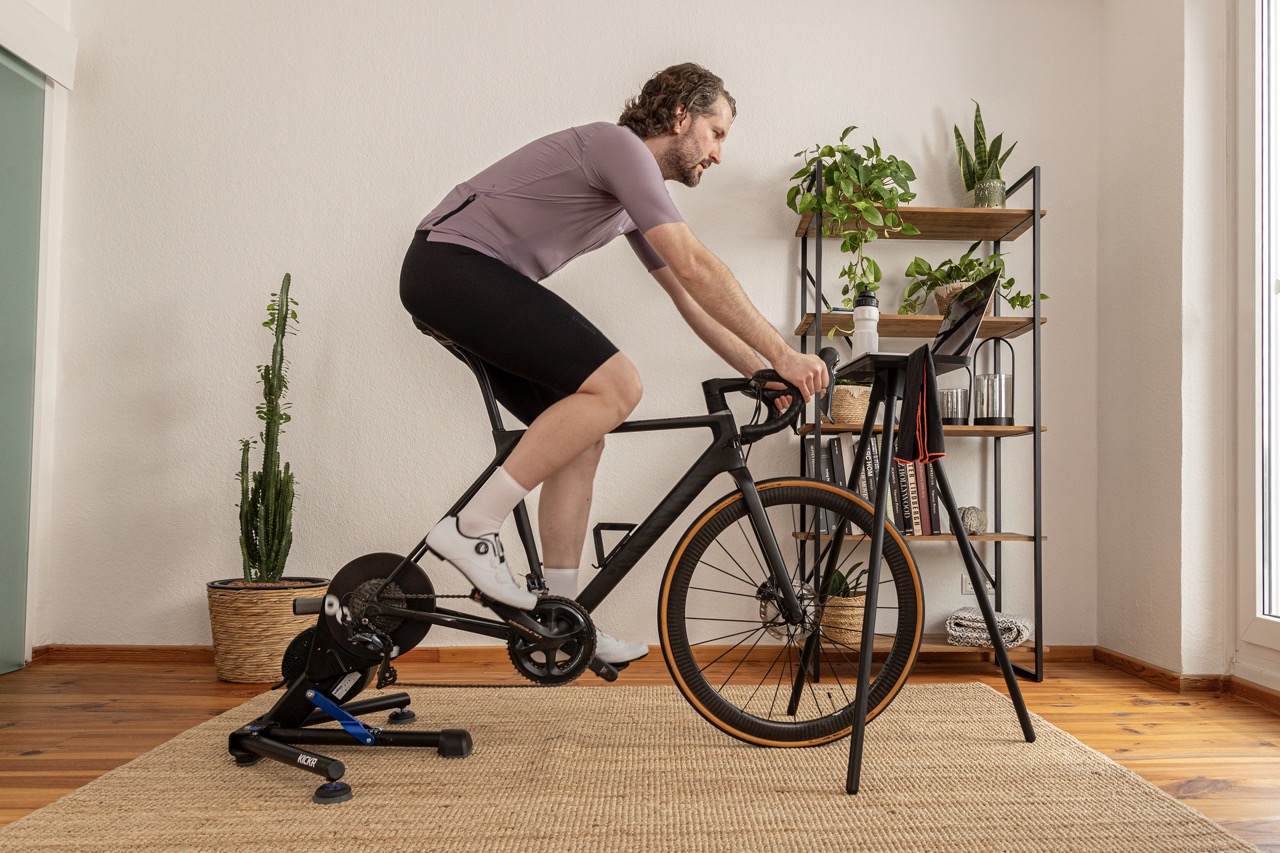
In professional sports science, athletes structure their training into phases—each designed to stimulate specific physiological adaptations. The same principle applies to indoor cycling Singapore, where structured variation in intensity, recovery, and frequency can turn average workouts into powerful performance enhancers. For riders seeking sustainable progress, understanding how to apply periodisation principles to indoor cycling can transform endurance, oxygen utilisation, and overall athletic capability.
What Is Performance Periodisation in Cycling
Performance periodisation refers to dividing training into structured phases that target different fitness attributes—endurance, strength, power, and recovery. This systematic approach prevents plateaus and overtraining while optimising long-term results.
In indoor cycling, each phase modifies factors such as cadence, resistance, and duration to focus on a particular physiological system. The goal is to improve VO₂ max (the maximum amount of oxygen your body can utilise during exercise), enhance energy efficiency, and ensure continual adaptation without burnout.
Why VO₂ Max Matters in Indoor Cycling
VO₂ max is a critical indicator of cardiovascular fitness. The higher your VO₂ max, the more oxygen your body can deliver to muscles during intense effort. This directly translates to better endurance, quicker recovery, and higher calorie burn.
Indoor cycling is uniquely effective in improving VO₂ max because of its blend of high-intensity intervals and sustained endurance efforts. The controlled environment of a spin studio allows precise resistance adjustments, letting riders push their oxygen uptake limits safely under instructor guidance.
How to Apply Periodisation in Indoor Cycling
A well-designed indoor cycling programme follows three main phases: base, build, and peak. Each has a unique purpose and training emphasis.
1. Base Phase: Building Aerobic Capacity
This phase establishes endurance and cardiovascular foundation. Sessions here involve moderate intensity, longer durations, and consistent cadence to improve aerobic metabolism.
Key focus:
-
Maintain 60–75% of maximum heart rate.
-
Prioritise steady-state rides and low-resistance endurance intervals.
-
Develop the ability to sustain long efforts without fatigue.
Riders should spend four to six weeks in this phase, depending on their fitness level. This stage enhances fat oxidation efficiency and sets the stage for high-intensity performance later.
2. Build Phase: Increasing Power and Threshold
Once the foundation is laid, the focus shifts toward intensity and resistance. This phase develops muscular power and raises lactate threshold—the point where fatigue begins to set in.
Key focus:
-
Introduce interval sessions alternating between high resistance and short recovery.
-
Maintain cadence between 85–95 RPM for sustained challenges.
-
Perform sprints and simulated climbs to build anaerobic endurance.
This phase typically lasts three to five weeks and significantly improves the rider’s ability to sustain near-maximal effort without early fatigue.
3. Peak Phase: Maximising VO₂ Max and Performance Output
The final phase targets maximum oxygen consumption and peak power output. Riders perform shorter, high-intensity intervals at 90–100% of their heart rate capacity with minimal recovery.
Key focus:
-
Use 20–40 second sprints followed by equal rest.
-
Track wattage output to measure performance gains.
-
Engage in progressive overload while monitoring recovery quality.
During this stage, the goal is to push physiological limits without crossing into overtraining. Rest and nutrition are as critical as training itself.
Integrating Recovery Weeks
A common mistake among riders is skipping recovery periods. Without adequate rest, the body fails to adapt and can regress due to fatigue. Every three to four weeks, one should include a “deload” week with lower intensity and volume. This promotes muscle repair, hormonal balance, and improved oxygen utilisation efficiency.
Techniques like foam rolling, deep breathing, and gentle stretching enhance blood flow, helping remove metabolic waste built up during intense sessions.
Tracking Progress for Continuous Adaptation
To make periodisation effective, progress must be measurable. Advanced studios such as TFX integrate smart cycling systems that track metrics like wattage, heart rate, and cadence. Analysing these data points helps riders understand how their bodies adapt over time.
For example:
-
Increasing average power output at the same heart rate indicates improved efficiency.
-
Maintaining steady cadence under higher resistance shows muscular endurance growth.
-
Shorter recovery time between intervals reflects better cardiovascular adaptation.
Keeping a digital or written log of rides helps riders spot trends and plan future training cycles strategically.
The Role of Nutrition and Sleep in Adaptation
Training alone doesn’t guarantee progress—your body needs adequate fuel and rest to complete adaptation cycles. Consuming complex carbohydrates before a spin session ensures steady energy release, while post-ride meals rich in protein support muscle recovery.
Sleep quality also plays a vital role. Growth hormones released during deep sleep repair tissues and enhance oxygen utilisation efficiency. For optimal results, riders should prioritise at least seven hours of rest nightly, especially during the build and peak phases.
Avoiding Common Periodisation Mistakes
While structured cycling improves performance, poor planning can lead to setbacks. Avoid these errors:
-
Skipping base training: Jumping straight into intense rides leads to early fatigue and slower recovery.
-
Neglecting recovery: Without deload weeks, the body can’t repair, reducing long-term endurance.
-
Overtraining intensity: More resistance doesn’t always mean better results. Periodisation thrives on balance.
-
Ignoring data feedback: Not tracking progress can cause misalignment between effort and outcomes.
A sustainable approach always alternates challenge with restoration.
Long-Term Benefits of Periodised Indoor Cycling
When applied correctly, periodisation transforms your fitness trajectory. Riders experience measurable improvements in stamina, muscle tone, and overall power output. More importantly, the body learns to utilise oxygen efficiently, improving not just cycling performance but also general vitality and cardiovascular health.
Many athletes integrate indoor cycling during off-seasons to maintain conditioning without joint strain. It builds endurance that transfers to other sports such as running, swimming, or even strength training.
FAQ
Q1. How long does it take to see VO₂ max improvements through indoor cycling?
Most riders notice measurable progress within six to eight weeks of consistent, structured sessions. The degree of improvement depends on intensity, recovery, and nutrition.
Q2. Can beginners apply periodisation in their cycling routine?
Yes, but with lower intensity and shorter durations. Gradually increasing workload helps prevent injury while building foundational endurance.
Q3. What’s the ideal number of sessions per week for effective periodisation?
Three to four sessions per week work best, alternating between endurance, interval, and recovery rides for optimal adaptation.
Q4. Do I need special equipment to track progress?
While optional, using a bike with power meters or heart rate monitors improves accuracy. Studios like TFX provide performance-tracking systems to support detailed analysis.
Q5. How can I tell if I’m overtraining?
Warning signs include prolonged fatigue, disturbed sleep, reduced motivation, and plateauing results. Taking a week off or lowering intensity can restore performance levels.
With a structured approach grounded in sports science, indoor cycling Singapore can be more than a workout—it becomes a strategic fitness system. By periodising your training, balancing intensity with recovery, and tracking adaptation, you transform each spin session into a deliberate step toward long-term athletic mastery.