
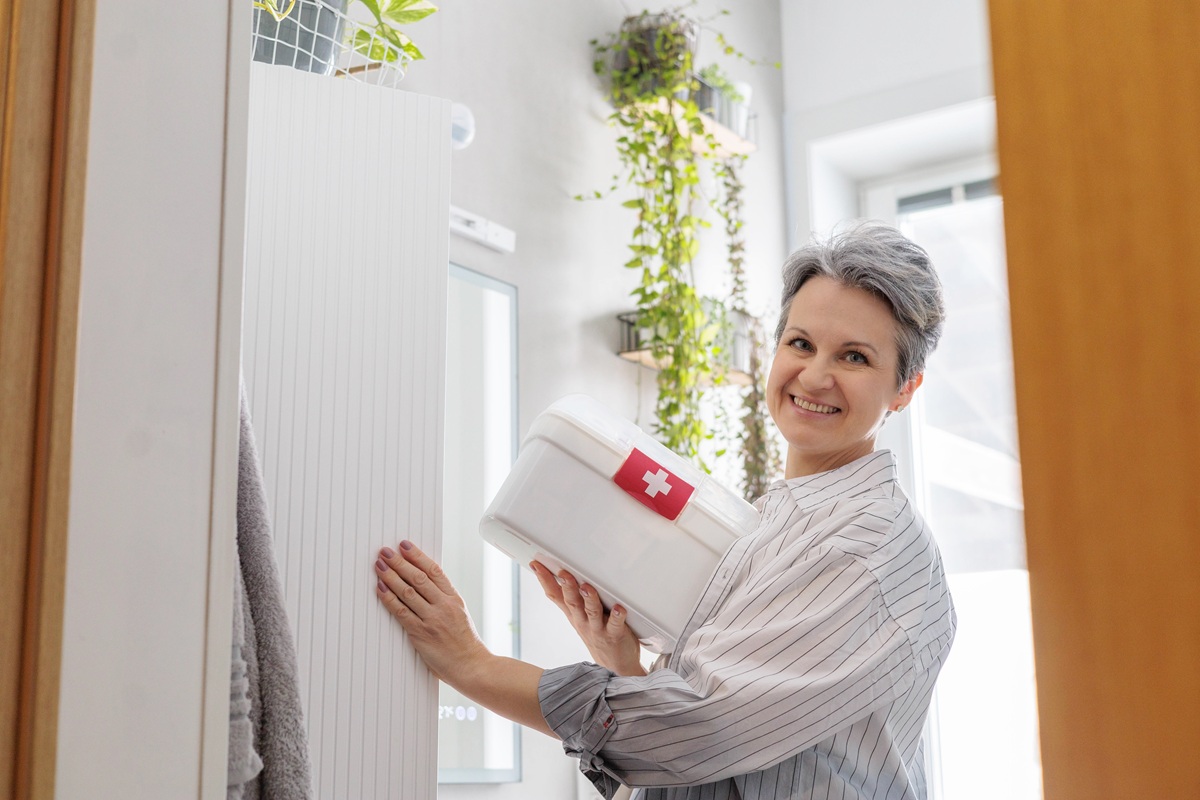
Life is full of unexpected twists and turns, and being prepared for minor injuries or medical emergencies can make all the difference. Equipping your home, car, and workplace with comprehensive first aid kits is a proactive step towards ensuring the safety and well-being of your loved ones and yourself. It’s about having the right tools and knowledge at your fingertips when you need them most, offering a sense of security and control in uncertain situations.
But where do you start? What should you include? And how do you ensure your kit is always ready for action? This article will guide you through the essentials of building and maintaining effective first aid kits, empowering you to respond confidently to any minor medical event that comes your way. We will explore the vital components, customisation options, and maintenance tips to help you create a first aid solution tailored to your specific needs. Let’s dive in and discover how you can enhance your family’s preparedness and enjoy greater peace of mind.
Understanding the importance of first aid preparedness
Why is having a well-stocked first aid kit so important? Imagine a scenario: your child grazes their knee while playing in the backyard, or you accidentally cut yourself while preparing dinner. Having a first aid kit readily available allows you to quickly clean and dress the wound, preventing infection and promoting faster healing. These kits are not just for emergencies, but for everyday incidents that can be easily managed with the right supplies.
Beyond minor injuries, a comprehensive kit can be invaluable in more serious situations. From burns and sprains to allergic reactions and sudden illnesses, having the necessary items on hand can provide crucial initial care while waiting for professional medical assistance. Think of it as a safety net, offering a layer of protection and potentially minimising the impact of unexpected health events. Being prepared is not about fearing the worst; it’s about empowering yourself to handle whatever life throws your way with confidence and competence.
Essential components of a comprehensive first aid kit
A well-stocked first aid kit is more than just a collection of bandages and antiseptic wipes. It’s a carefully curated assortment of items designed to address a wide range of common injuries and medical conditions. Here’s a breakdown of the essential components you should include:
- Wound care: Adhesive bandages (various sizes), sterile gauze pads, antiseptic wipes, adhesive tape, and wound closure strips.
- Pain relief: Pain relievers such as paracetamol or ibuprofen, as well as antiseptic cream to prevent infection.
- Burn care: Burn cream or gel, sterile burn dressings.
- Allergy relief: Antihistamine tablets or liquid, epinephrine auto-injector (if prescribed).
- Other essentials: Scissors, tweezers, safety pins, disposable gloves, a CPR mask, a thermometer, and a first aid manual.
This list provides a solid foundation, but remember to tailor your kit to your specific needs and circumstances. Consider any pre-existing medical conditions, allergies, or specific activities that may require additional items. For example, if you have young children, you may want to include child-friendly medications and bandages. If you enjoy outdoor adventures, you may need to add items like insect repellent, sunscreen, and blister treatment.
Also Read: Essential Items for Every First Aid Kit: A Comprehensive Guide
Customising your kit for specific needs
While a standard first aid kit provides a good starting point, customising it to suit your individual needs and lifestyle is crucial. Consider the following factors when tailoring your kit:
- Family size and age range: Adjust the quantities of supplies based on the number of people in your household. Include child-specific medications and dosages if you have young children.
- Pre-existing medical conditions: Add any necessary medications or supplies related to specific health conditions, such as asthma inhalers, diabetes testing supplies, or allergy medications.
- Lifestyle and activities: If you engage in outdoor activities like hiking or camping, include items like blister treatment, insect repellent, sunscreen, and a snake bite kit.
- Travel plans: When travelling, pack a travel-sized kit with essential medications, motion sickness remedies, and any necessary travel vaccinations.
By taking the time to personalise your first aid kit, you can ensure that you have the right tools and resources to address your specific needs and provide effective care in any situation. Don’t be afraid to add or remove items as your circumstances change. Regular review and adjustment are key to maintaining a relevant and useful kit.
Building first aid kits for different environments
Different environments present different risks and challenges, so it’s essential to have tailored first aid kits for your home, car, and workplace. Each kit should be designed to address the specific hazards and potential injuries associated with that particular setting.
Home first aid kit
Your home first aid kit should be the most comprehensive, as it serves as the primary resource for treating everyday injuries and illnesses. Store it in a central, easily accessible location, such as a kitchen cupboard or bathroom drawer. Ensure that all family members know where it is and how to use it. Consider including items such as:
- A variety of bandages and dressings
- Antiseptic wipes and creams
- Pain relievers and fever reducers
- Burn cream and sterile burn dressings
- Allergy medications
- A thermometer
- A first aid manual
Car first aid kit
A car first aid kit is essential for addressing injuries that may occur while travelling. Keep it in a readily accessible location, such as the glove compartment or under the driver’s seat. Your car kit should include:
- Basic wound care supplies
- Pain relievers
- Motion sickness medication
- A blanket or space blanket
- A flashlight
- Emergency contact information
Workplace first aid kit
Workplace first aid kits are essential for ensuring the safety of employees and addressing any injuries that may occur on the job. The contents of the kit should be determined by the specific hazards and risks associated with the workplace. Consider including:
- Wound care supplies
- Eye wash solution
- Burn treatment
- Splints and supports
- A first aid manual
- Personal protective equipment (PPE) such as gloves and masks
Ensuring your workplace adheres to all requirements is crucial. This might mean you need to look at reliable first aid kit refills, depending on what industry you are in. Regular checks and maintenance are essential to ensure that your workplace first aid kit is always fully stocked and ready for use.
Maintaining your first aid kits
Building a first aid kit is only the first step. To ensure that it remains effective and reliable, it’s crucial to maintain it regularly. Think of it like servicing your car – you wouldn’t expect it to run smoothly without regular maintenance, and the same applies to your first aid kit.
Regular inventory checks
At least every three months, conduct a thorough inventory check of your first aid kits. Remove any expired medications or supplies and replace them with fresh ones. Check the condition of bandages, dressings, and other items, and replace anything that is damaged or compromised. This routine check ensures that your kit is always fully stocked and ready for use.
Replacing used items
Whenever you use an item from your first aid kit, replace it immediately. Don’t wait until the next scheduled inventory check to replenish your supplies. This ensures that your kit remains complete and ready for the next emergency. Keep a list of frequently used items and quantities needed to streamline the restocking process.
Proper storage
Store your first aid kits in a cool, dry place away from direct sunlight and extreme temperatures. Heat and humidity can degrade medications and other supplies, reducing their effectiveness. Keep your kits out of reach of children, but ensure that they are easily accessible to adults. Clearly label each kit with its contents and purpose to facilitate quick and easy identification.
Training and education
Having a well-stocked first aid kit is important, but it’s equally important to know how to use the items effectively. Consider taking a first aid course to learn basic first aid skills, such as wound care, CPR, and how to respond to common medical emergencies. Share this knowledge with your family members and colleagues to empower them to provide assistance in case of need. Regular refresher courses can help you stay up-to-date with the latest first aid techniques and guidelines.
Empowering yourself with first aid knowledge
While having a well-stocked first aid kit is essential, knowing how to use it effectively is even more crucial. First aid knowledge empowers you to respond confidently and competently to a wide range of medical emergencies, potentially saving lives and minimising the impact of injuries and illnesses.
Enrolling in a first aid course
Consider enrolling in a certified first aid course to learn essential skills such as:
- Basic wound care and bandaging techniques
- CPR (cardiopulmonary resuscitation)
- How to recognise and respond to common medical emergencies like heart attacks, strokes, and allergic reactions
- How to manage burns, fractures, and other injuries
These courses provide hands-on training and practical experience, equipping you with the knowledge and skills to provide effective first aid in real-world situations. Look for courses offered by reputable organisations such as St John Ambulance or the Australian Red Cross.
Staying updated on first aid guidelines
First aid guidelines and best practices are constantly evolving, so it’s important to stay updated on the latest recommendations. Regularly review your first aid manual and attend refresher courses to ensure that you are using the most effective and up-to-date techniques. Online resources and websites can also provide valuable information and updates on first aid practices.
Sharing your knowledge with others
Once you have acquired first aid knowledge, share it with your family members, friends, and colleagues. Teach them basic first aid skills and encourage them to take a first aid course themselves. By spreading awareness and empowering others with first aid knowledge, you can create a safer and more prepared community. Organise a family first aid workshop or volunteer to teach first aid skills at your workplace or local community centre.
Conclusion: a prepared family is a safe family
Investing in quality first aid supplies and acquiring essential first aid knowledge are invaluable steps towards ensuring the safety and well-being of your family. By building and maintaining comprehensive first aid kits for your home, car, and workplace, and by empowering yourself and others with first aid skills, you can create a safer and more prepared environment for everyone.
Remember, being prepared is not about fearing the worst; it’s about taking proactive steps to protect yourself and your loved ones. A well-stocked first aid kit and the knowledge to use it effectively can provide peace of mind, knowing that you are ready to respond confidently to any medical emergency that comes your way. So, take the time to assess your needs, build your kits, and acquire the necessary skills. A prepared family is a safe family, and that’s an investment worth making.