
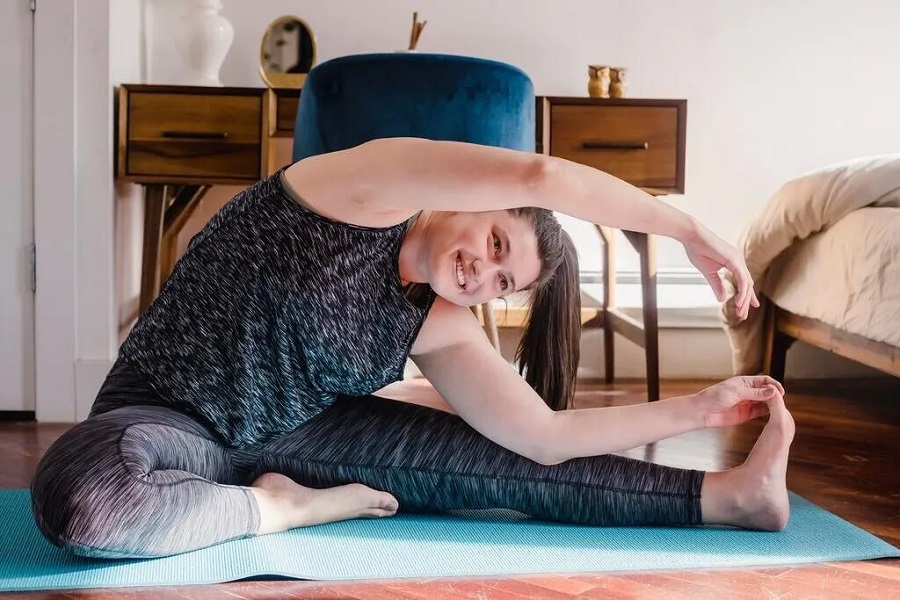
Step into any yoga studio or scroll through wellness feeds, and it is easy to assume that yoga is primarily a visual pursuit. Images of deep backbends, gravity-defying arm balances, and effortless splits dominate the cultural imagination. For a beginner stepping onto the mat for the first time, this aesthetic focus can be profoundly misleading. It creates the impression that the goal of yoga is simply to force the body into an identical replica of an instructor’s pose, regardless of how awkward, unstable, or painful the posture feels.
In reality, authentic yoga practice is built upon a quiet, invisible architecture: proper physical alignment. Far from an arbitrary set of rigid rules, alignment is the deliberate arrangement of your bones, joints, and muscles to create maximum stability, ease, and safety in every posture. For beginners, understanding and prioritizing alignment from day one is the single most effective way to prevent debilitating joint injuries, cultivate sustainable strength, and build a practice that supports the body for decades rather than breaking it down over months.
Moving Beyond the Myth of the Picture-Perfect Pose
One of the most liberating truths a novice yogi can learn is that no two human bodies share identical skeletal architecture. The depth of your hip sockets, the rotation of your femoral heads, the carrying angle of your elbows, and the natural curvature of your spine are entirely unique to you. Consequently, your Downward-Facing Dog or Warrior II will never look precisely like the person on the adjacent mat.
When beginners focus on chasing an external shape rather than internal alignment, they often force their bodies into unnatural positions. This mistake leads to joint compression, where bone impinges against bone or grinds against delicate cartilage to satisfy an aesthetic goal. Proper alignment shifts the focus from what a pose looks like to how it functions biomechanically. It asks whether your foundation is stable, whether your joints are protected, and whether muscular tension is evenly distributed. By respecting your individual anatomy, alignment transforms poses from arbitrary contortions into functional movement patterns that restore balance to your body.
Protecting Vulnerable Joints from Repetitive Strain
Yoga is widely regarded as a gentle, restorative discipline, yet improper technique can generate severe repetitive stress injuries. Beginners are particularly susceptible to these pitfalls because their stabilizing muscles, connective tissues, and joint awareness are still developing. Without intentional alignment, the body naturally defaults to the path of least resistance, dumping weight into passive ligaments and vulnerable joints rather than engaging active musculature.
A few key areas bear the brunt of misaligned movement:
- The Wrists: In weight-bearing postures like Plank, Tabletop, and Downward-Facing Dog, beginners frequently collapse their weight into the heels of their hands. This compresses the carpal tunnel and strains delicate tendons. Proper alignment teaches Hasta Bandha (the hand lock), pressing firmly into the knuckles and fingertips to distribute load away from the base of the wrist.
- The Knees: In lunging postures like Warrior I and Crescent Lunge, allowing the front knee to cave inward or extend far past the ankle places intense shear stress across the patella and medial collateral ligament. Aligning the knee directly over the ankle while tracking it toward the middle toes keeps the joint working strictly within its natural hinge plane.
- The Lumbar Spine: During standing or seated forward folds, beginners with tight hamstrings often round aggressively through their lower back to touch their toes. This rounding exerts enormous pressure on the intervertebral discs. Proper alignment prioritizes bending the knees and hinging strictly from the pelvis, keeping the spine long and neutral.
- The Shoulders: The transition through Chaturanga Dandasana (low plank) is notorious for rotator cuff tears when practiced with flared elbows and dropped shoulders. Maintaining an active, protracted upper back with elbows pinned against the ribs shields the delicate tendons of the shoulder girdle from micro-tears.
Learning to safeguard these anatomical pivot points early on ensures that you spend your time building physical vitality rather than nursing chronic tendonitis or joint inflammation.
The Direct Link Between Structural Stacking and Respiratory Freedom
Beyond physical protection, proper alignment fundamentally dictates your ability to breathe. In classical yogic philosophy, the breath is the primary vehicle for regulating the autonomic nervous system. Yet many novices find themselves gasping, holding their breath, or breathing shallowly into their upper chests while holding strenuous poses.
This respiratory distress is rarely an issue of cardiovascular fitness; it is almost always a byproduct of structural collapse. When you round your shoulders, crane your neck, or compress your torso, you physically limit the diaphragm’s range of motion. The rib cage cannot expand, the lungs remain partially constricted, and the brain registers a sensation of physical panic.
When you practice joint stacking—positioning your shoulders over your hips, your knees over your ankles, and your head neutral over your spine—the skeleton carries the gravitational load. The surrounding postural muscles no longer need to work in overdrive simply to keep you upright. This effortless structural support creates vast internal space for the lungs to fill completely, prompting the nervous system to shift into a calm, parasympathetic state even in physically demanding postures.
Practical Principles to Anchor Your Practice
Developing acute alignment awareness does not require an advanced degree in biomechanics. Beginners can rapidly improve their safety and poise on the mat by applying three fundamental concepts to every session:
Establish Your Foundation First
Every posture begins from the points of contact that touch the earth. Whether you are balancing on your feet in Mountain Pose or resting on your hands and knees in Tabletop, pause before moving into the full posture to organize your base. Spread your toes wide, distribute your weight evenly across the four corners of your feet, and actively press into your supportive surfaces. A wobbly, careless foundation will inevitably destabilize every joint positioned above it.
Treat Props as Precision Instruments, Not Crutches
There is a persistent, unfortunate stigma among new practitioners that using blocks, straps, or blankets indicates weakness or a lack of flexibility. In truth, seasoned practitioners use props deliberately to preserve optimal alignment. If your hands cannot reach the floor in a standing forward bend without curling your spine into a tight hunch, resting your hands on wooden or foam blocks brings the floor up to you. This enables you to lengthen your spine, hinge properly from your hips, and receive the intended benefits of the stretch without compromising spinal integrity.
Prioritize Axial Elongation
In almost every standing, balancing, and seated posture, the spine should seek length before pursuing a bend or twist. Axial elongation means actively creating space between each vertebra, reaching the crown of the head away from the tailbone. When you elongate before twisting, the rotational forces are shared harmoniously across the thoracic spine rather than concentrated painfully into a few lower lumbar vertebrae.
Cultivating Proprioception: The Internal Dimension
Perhaps the greatest long-term gift of alignment-focused practice is the development of proprioception—your nervous system’s subconscious perception of movement, spatial orientation, and bodily positioning. Modern life spent hunched over steering wheels and curved over laptops gradually disconnects us from somatic awareness. We lose track of where our shoulders rest, how our weight is distributed, and whether our pelvis is tilted forward or back.
Slowing down to refine your alignment reawakens this neural dialogue. You begin to notice subtle asymmetries between your left and right sides. You learn to distinguish the productive warmth of a muscular stretch from the sharp, warning pinch of joint compression. Over time, this heightened bodily literacy follows you off the mat, improving your everyday posture, your walking gait, and the way you sit at your desk.
Approaching yoga as a beginner with patience and an alignment-first mindset requires setting aside your ego. It means choosing an honest, modified posture with clean biomechanics over a showy, compromised shape. By taking the time to build a structurally sound foundation, you protect your body from preventable injury, cultivate genuine somatic strength, and unlock the transformative, lifelong rewards of a safe and grounded practice.