
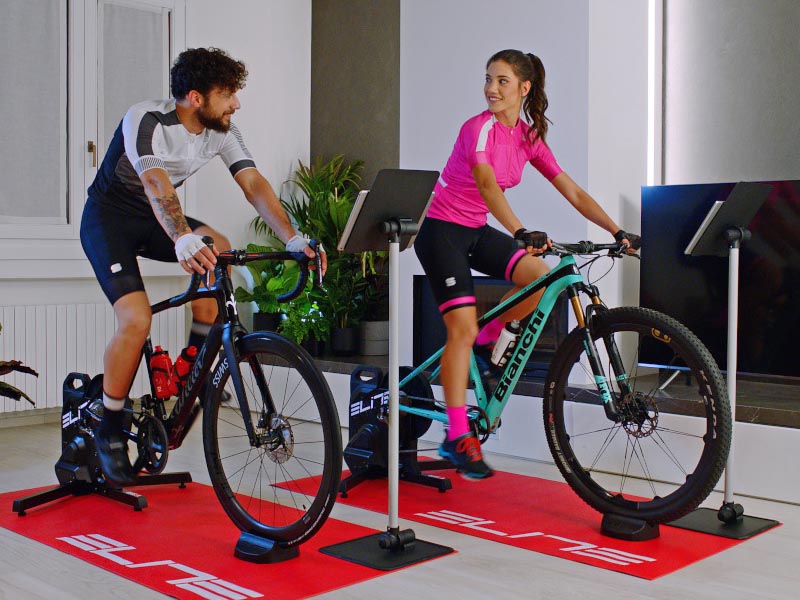
Mental resilience is becoming one of the most valuable skills for Singapore professionals today. High pressure industries, expanding workloads, performance driven environments and the constant pull of digital communication all shape how people feel throughout the week. Many individuals look for ways to manage this mental load without depending solely on temporary coping mechanisms. One of the most effective and sustainable solutions is Indoor cycling, a form of training that strengthens both the body and the mind.
Indoor cycling is not just a fast paced workout with good music. When structured correctly, it becomes a tool that helps people regulate stress, build emotional stability, process pressure, improve sleep patterns and develop the mental strength needed to stay consistent in demanding careers. This is why many Singapore professionals use it not only for fitness but as a mental health anchor that supports their daily responsibilities.
Why Mental Resilience Is So Important in Singapore
Singapore is known for efficiency and ambition. These qualities are positive, but the lifestyle also brings unique stress triggers:
-
Long work hours
-
Performance reviews and deadlines
-
Fast paced organisational changes
-
Demanding client expectations
-
Heavy digital communication
-
Limited downtime between work and personal life
These factors accumulate. Over time, they influence focus, anxiety, irritability and even sleep. Mental resilience helps individuals recover faster from stress and maintain clarity even when the workload intensifies.
How Indoor Cycling Mimics Stress and Recovery Cycles
One powerful reason indoor cycling builds resilience is that its interval structure resembles real life stress and release patterns. A typical ride contains:
-
High effort bursts
-
Sustained but manageable intensity
-
Controlled recovery sections
-
Rhythmic breathing patterns
How this helps emotionally
During high intensity moments, the body learns to tolerate discomfort without panic or overwhelm. During recovery tracks, the nervous system resets and returns to a calmer state. Repeating this cycle teaches the brain that challenges can be faced and managed with control.
Over time, riders develop the ability to handle pressure in daily life because they experience stress in a safe environment and learn how to regulate themselves.
The Role of Music and Rhythm in Emotional Regulation
Music is a central part of indoor cycling. It affects breathing, motivation and the emotional state. Instructors choose playlists that create:
-
A sense of momentum
-
Positive anticipation
-
Controlled intensity
-
Emotional release
-
A group rhythm that encourages unity
Why this matters
Music helps the brain shift away from racing thoughts and overthinking. Instead of focusing on work pressure or difficult conversations from the day, riders immerse themselves in rhythm. This allows mental space to process emotions calmly or to simply detach for the duration of the ride.
How Indoor Cycling Reduces Work Related Anxiety
Many Singapore professionals struggle with anticipatory anxiety. This appears when someone constantly thinks about the next email, the next meeting or the next responsibility. Indoor cycling helps reduce this pattern by creating present moment awareness.
How it works
-
Riders must focus on cadence, resistance and breathing
-
The class follows structured cues
-
The mind cannot wander too far without losing sync
-
Movement interrupts the stress response
This engagement creates a mental pause, encouraging riders to step out of the loop of rumination. After class, people often feel lighter and more focused because the mind has cleared enough space for rational thinking.
Using Indoor Cycling as an End of Day Reset
Evening classes are especially beneficial for individuals who carry emotional fatigue after long office hours. Riding after work helps:
-
Release physical tension
-
Lower stress hormones
-
Improve mood before returning home
-
Prevent irritation or emotional spillover into family life
-
Reset the mind so that the rest of the evening feels calmer
Many riders report that after a strong evening class, they respond more gently to family interactions and feel more present.
How Indoor Cycling Improves Sleep Quality
Good sleep is the foundation of mental resilience. Without restorative sleep, stress tolerance becomes weaker. Indoor cycling supports sleep in several ways:
-
Reduces excess stress hormones
-
Improves body temperature regulation
-
Increases physical exertion that encourages restful sleep
-
Helps process emotional strain from the day
Timing considerations
Evening sessions should not be too close to bedtime for those who are sensitive to stimulation. A gap of two to three hours allows the body to cool down naturally.
Indoor Cycling as a Confidence Building Tool
Confidence is closely tied to resilience. When people tackle physically demanding intervals successfully, they reinforce a sense of personal capability. This psychological transfer is powerful.
Real examples of confidence shifts
-
Completing a tough climb creates trust in personal strength
-
Surviving a sprint pushes people to embrace positive discomfort
-
Staying in rhythm teaches discipline
-
Gradually increasing resistance builds self belief
This confidence often spills over into work. Singapore professionals who train regularly notice they speak up more easily in meetings, manage conflict better and feel more in control during stressful projects.
Structured Classes Create Predictability in an Unpredictable Work Life
One of the subtle benefits of indoor cycling is its predictable structure. Riders know:
-
How long the class lasts
-
When intervals begin
-
When recovery tracks appear
-
That the instructor will guide them through the session
This sense of predictability is comforting for people whose workdays feel unpredictable. It acts as an anchor, stabilising routine and reducing the feeling of chaos.
Social Energy and Group Motivation
Humans respond to group energy. Riding beside others creates a sense of belonging and emotional support. Without needing to talk much, people feel part of a team working toward a shared goal.
Why this helps
-
Social presence reduces feelings of isolation
-
Group rhythm improves mental focus
-
Shared effort increases motivation
-
The environment encourages consistency
Many riders say the group energy becomes one of the main reasons they continue training.
Emotional Benefits of Instructor Guidance
Good instructors use motivating language, strategic cues and grounded coaching techniques to build a positive mental environment. This guidance helps riders:
-
Stay calm during challenging tracks
-
Understand how to pace themselves
-
Tap into motivation even on tired days
-
Feel supported and safe throughout class
Later in their journey, many riders explore more options within True Fitness Singapore because the supportive environment keeps them engaged and motivated.
A Real Life Singapore Scenario
A 29 year old marketing executive working in Dhoby Ghaut started indoor cycling after experiencing burnout symptoms. She joined two evening classes weekly to unwind after work. Within a month, she noticed calmer mornings, fewer anxious thoughts and better sleep. By the second month, she felt more capable at work and stopped feeling overwhelmed by deadlines. This mirrors the experience of many Singapore adults who use indoor cycling as mental hygiene rather than just a workout.
How Often Should Professionals Ride for Mental Resilience
A balanced weekly structure might include:
-
2 evening sessions to unwind after stressful days
-
1 morning session to create a positive start to the week
-
Optional gentle recovery session for mood regulation
Consistency matters more than intensity. Even moderate sessions improve emotional balance.
Frequently Asked Questions
Can indoor cycling reduce workplace anxiety?
Yes. Indoor cycling requires present moment focus, which interrupts anxious thought loops. The structured intervals and music help calm the mind and reduce stress after intense workdays.
Does indoor cycling help with mental fatigue?
It does. Movement increases circulation, enhances oxygen delivery to the brain and improves mood. Riders often feel mentally refreshed even if they were tired before class.
Can I use indoor cycling to disconnect from work?
Absolutely. Many Singapore professionals use classes as intentional breaks from constant digital communication. The ride becomes a boundary that helps separate work time from personal time.
Is morning or evening better for mental resilience?
Both can work. Morning classes build positivity and focus, while evening classes help decompress after long hours. Riders should choose based on their stress patterns and daily routine.
Can indoor cycling improve confidence for stressful presentations or meetings?
Yes. Tackling difficult intervals builds a sense of strength and capability. This confidence transfers into professional situations that require calmness under pressure.