
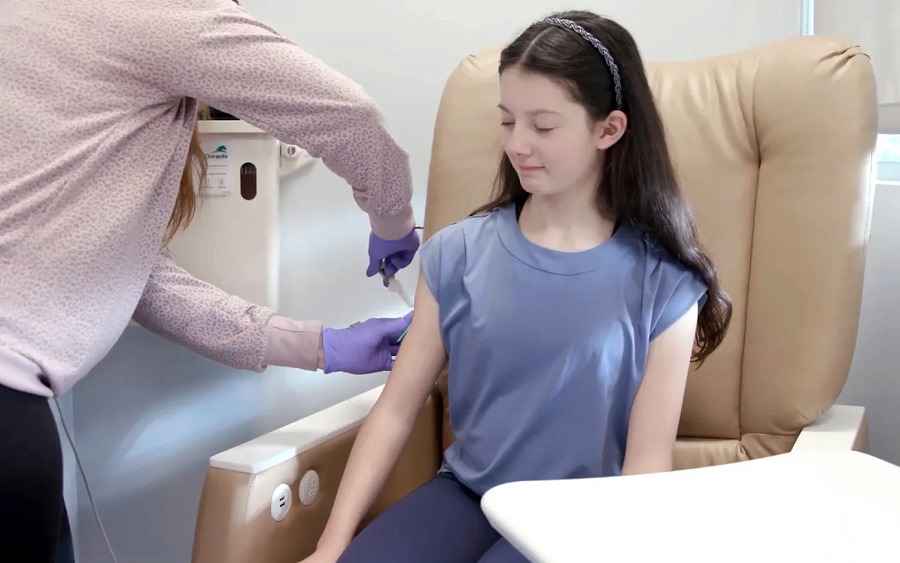
Managing a severe food allergy is fundamentally different from treating seasonal rhinitis or mild contact dermatitis. When a trace exposure to peanuts, tree nuts, milk, or shellfish can trigger systemic anaphylaxis within minutes, an allergist is not just an occasional consultant. They become a central partner in your family’s daily safety, risk mitigation, and long-term peace of mind.
Yet many patients end up at general allergy practices designed primarily around environmental scratch tests and routine antihistamine prescriptions. In these settings, individuals with severe, IgE-mediated food allergies are frequently handed a generic auto-injector prescription and told simply to avoid the allergen entirely. While strict avoidance remains a foundational safety pillar, modern allergy care offers far more sophisticated diagnostics, nuanced risk stratification, and proactive treatment options. Selecting the right clinic requires looking past basic practice listings and closely evaluating clinical safety, diagnostic rigor, and therapeutic philosophy.
Verify Board Certification and Clinical Subspecialization
The baseline requirement for any allergy practitioner is board certification by the American Board of Allergy and Immunology (ABAI). This credential confirms that the physician completed an accredited residency in internal medicine or pediatrics, followed by at least two years of specialized fellowship training in allergic and immunologic diseases.
However, board certification alone does not tell the whole story. Allergy and immunology is a broad field covering asthma, primary immunodeficiencies, eczema, chronic urticaria, and environmental allergies. You need a team that devotes a significant portion of its daily clinical volume specifically to food allergies. A physician who evaluates dozens of complex food allergy cases every week will be far more attuned to subtle diagnostic markers, emerging therapies, and anxiety management than a general practitioner who only occasionally manages food-allergic patients.
Evaluate Safety Infrastructure for Oral Food Challenges
The oral food challenge (OFC) remains the definitive gold standard in food allergy diagnosis. During an OFC, a patient consumes gradually increasing amounts of the suspected allergen under direct medical supervision to either confirm a genuine clinical allergy or establish clinical tolerance. Because this procedure deliberately courts the possibility of an allergic reaction, the physical clinic environment must be built for safety.
When evaluating a prospective clinic, investigate how they conduct supervised challenges:
-
Dedicated observation space: Challenges should take place in a controlled, low-stress environment where medical staff can continuously observe the patient for several hours, not in a hurried hallway exam room.
-
Trained clinical staff: Nurses and medical assistants should have specific training in identifying early, subtle indicators of anaphylaxis across different age groups, such as sudden behavioral shifts in young children, throat clearing, or abdominal cramping.
-
Immediate resuscitation capabilities: The facility must have ready access to intramuscular epinephrine, oxygen delivery systems, nebulized bronchodilators, intravenous fluids, and advanced airway management equipment.
-
Clear escalation protocols: Ask whether the clinic has formal transfer protocols with a nearby hospital emergency department in the rare event of a severe, biphasic, or treatment-refractory reaction.
A clinic that hesitates to perform oral food challenges or relies exclusively on blood testing may leave you with unnecessary dietary restrictions and prolonged, unverified fear.
Look for Precision Diagnostics Beyond Standard Skin Prick Tests
Historically, food allergy diagnoses relied almost exclusively on skin prick testing (SPT) and serum total IgE levels. While these tools remain valuable for screening, both suffer from high rates of false positives. Sensitization—meaning your immune system produces antibodies to a protein—does not automatically equal clinical allergy, which is the physical manifestation of symptoms upon ingestion.
A top-tier allergy clinic utilizes component-resolved diagnostics (CRD). This advanced molecular testing analyzes specific proteins within an allergen rather than the whole food extract. For example, testing for antibodies to the peanut protein Ara h 2 indicates a high likelihood of a true, systemic reaction, whereas antibodies to Ara h 8 often indicate cross-reactivity with birch pollen, which typically causes only mild oral allergy symptoms. Clinics that leverage component testing can differentiate between life-threatening vulnerabilities and benign cross-reactions, sparing patients from broad, nutritionally detrimental elimination diets.
Assess Their Approach to Active Treatment and Desensitization
The landscape of food allergy management has evolved beyond passive avoidance. Today, proactive interventions help raise the threshold of reactivity, offering an essential buffer against accidental ingestion.
When speaking with potential clinics, ask about their experience with active therapies:
Oral Immunotherapy (OIT)
Oral immunotherapy involves administering micro-doses of an allergen, gradually escalating the amount over weeks or months to desensitize the immune system. OIT is not a cure, but it significantly reduces the likelihood that an accidental crumb or trace cross-contact will lead to fatal anaphylaxis. Because OIT requires rigorous dosing schedules, tight adherence rules, and careful management of exercise and illness-related cofactor risks, you need a clinic with a mature, structured protocol and a dedicated support team.
Biologic Therapies
The therapeutic landscape now includes targeted biologic agents, such as monoclonal antibodies that bind to circulating IgE. These medications can raise the reaction threshold across multiple food allergens simultaneously or serve as an adjunct to speed up oral immunotherapy. A forward-thinking clinic stays current on clinical indications for biologics and can walk you through the realistic benefits, insurance navigation, and administration logistics.
If a clinic dismisses all proactive therapies out of hand without discussing whether you or your child are viable candidates, you may want to seek a second opinion from a more progressive center.
Scrutinize Emergency Action Planning and Patient Education
A reliable allergy practice does not simply hand you an epinephrine prescription and send you on your way. They invest substantial time in teaching you and your family how to navigate the physical and psychological realities of living with a high-risk condition.
Pay attention to how the clinic approaches practical education:
-
Individualized written action plans: Your anaphylaxis plan should feature clear, step-by-step instructions specifying exact symptoms that warrant immediate epinephrine administration, personalized to your medical history and co-occurring conditions like asthma.
-
Hands-on device training: Clinicians should use practice trainers to walk you through the mechanics of multiple auto-injector brands, ensuring you, your family members, and caregivers can administer a dose instinctively under panic.
-
Two-dose prescriptions: Standard medical guidelines recommend carrying two doses of epinephrine at all times due to the possibility of a biphasic reaction or incomplete symptom resolution from the first injection. Ensure the practice reflexively prescribes twin packs.
-
Real-world guidance: Quality practices provide guidance on navigating school accommodation plans, cafeteria protocols, international travel, airline policies, and identifying hidden ingredients on consumer labels.
Gauge Communication and After-Hours Access
Allergic emergencies and accidental exposures rarely conform to standard clinic hours. When an accidental ingestion occurs on a weekend or an unexpected rash appears after dinner, waiting until Monday morning for clinical guidance is unacceptable.
Find out how the clinic handles urgent triage outside of office hours. Do you have access to an on-call physician or experienced allergy nurse who can review symptoms in real time? Or does after-hours contact go through a third-party call center with instructions to hang up and dial 911 for every inquiry? Having direct access to specialized clinical judgment can help you make prompt, informed choices during an evolving situation.
Questions to Bring to Your First Consultation
During your initial appointment, treat the visit as a two-way interview. Asking targeted questions helps reveal the clinic’s clinical depth and operational style:
-
What percentage of your patient population is being treated for life-threatening food allergies?
-
How many oral food challenges do you perform on an average week, and what are your staffing ratios during challenges?
-
Do you offer component-resolved blood testing, and how do you interpret discrepant results between skin tests and blood panels?
-
What is your institutional experience with oral immunotherapy or adjunctive biologic treatments?
-
Who responds to clinical questions after hours, and what is the typical response window?
-
How does your team assist families in coordinating medical accommodations for schools, daycares, or workplaces?
Making the Final Decision
Living with severe food allergies requires continuous vigilance, but it should not force you into a state of chronic isolation or debilitating anxiety. The right allergy clinic does far more than confirm what foods you must avoid. They provide precise diagnostics, robust emergency preparation, access to evolving therapeutic options, and the practical confidence needed to live fully and safely. Take the time to evaluate your options thoroughly; finding a specialized, responsive clinical team is one of the most consequential health decisions you can make.