
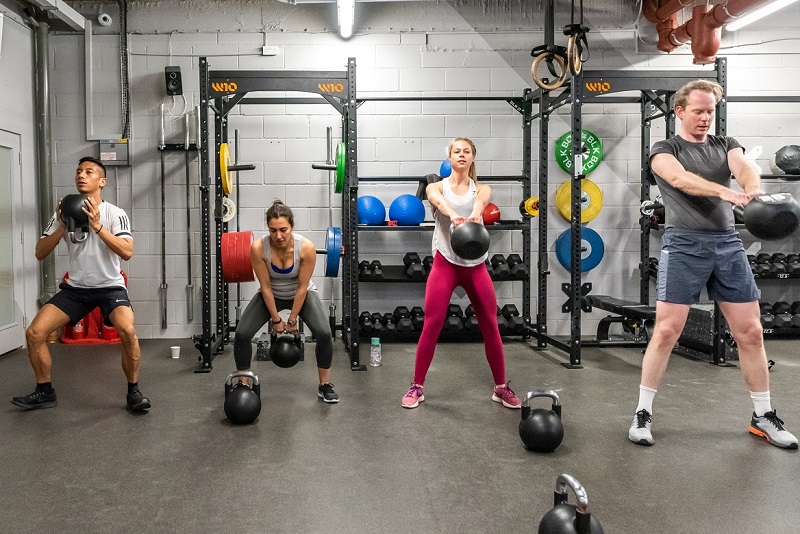
Most conversations surrounding fitness focus almost exclusively on visual transformation. We are conditioned to measure progress by the notch on a belt, the reading on a bathroom scale, or the lighting in a locker room mirror. While changes in body composition are natural byproducts of regular exercise, treating aesthetics as the primary metric misses the most profound benefit of physical training: the quiet, unshakable trust in what your body can actually do.
True physical confidence is not vanity. It is the visceral certainty that your physical frame is capable, resilient, and ready to meet the demands of daily life. It is the ease of carrying heavy luggage without bracing for back spasms, the freedom of hiking uneven trails without dreading an ankle roll, and the natural presence that comes from occupying space without apology. Building this level of physical self-assurance does not happen through sporadic bursts of extreme exertion. It is an earned identity forged through deliberate, repeatable movement patterns performed consistently over time.
Shift the Metric from Aesthetic Validation to Functional Competence
When your fitness routine is anchored solely in how you look, your confidence remains fragile. A day of water retention, poor lighting, or slow scale movement can completely derail your perceived self-worth. In contrast, shifting your attention toward functional competence grounds your progress in concrete reality.
Instead of obsessing over arbitrary measurements, focus on mastering fundamental human movement patterns: squatting, hinging at the hips, pressing, pulling, and carrying load. When you work toward deadlifting your body weight with clean mechanics, executing your first strict pull-up, or carrying a pair of heavy kettlebells across a room, you generate undeniable proof of physical capability.
Performance metrics provide an honest mirror. You either lifted the weight with control, or you did not. You either completed the distance without stopping, or you need to build more aerobic capacity. Tracking these objective benchmarks replaces subjective self-criticism with a problem-solving mindset. Every milestone achieved becomes a psychological deposit into your physical self-efficacy, permanently altering how you view your physical potential.
The Neurological Architecture of Physical Self-Trust
Physical insecurity rarely stems from a lack of desire; it usually stems from physical alienation. Decades of sedentary office work, prolonged commuting, and screen immersion gradually dull our proprioception—the sensory awareness of where our limbs are positioned in space. When your nervous system loses its intuitive map of your body, movement begins to feel clumsy, hesitant, and prone to injury.
Consistent training re-establishes this vital dialogue between the brain and musculoskeletal system:
- Sharpened motor recruitment: Lifting weights or practicing gymnastics movements trains the central nervous system to fire motor units synchronously, turning uncoordinated efforts into smooth, decisive physical force.
- Heightened somatic literacy: Regular training teaches you to distinguish between healthy muscular burn and joint discomfort, allowing you to interpret bodily signals with nuance rather than panic.
- Spatial mastery: Dynamic training builds balance, reactive agility, and core stability, eliminating that subtle, chronic fear of falling or misstepping on unpredictable terrain.
As your nervous system grows accustomed to navigating tension, balance, and force under controlled conditions, physical hesitation disappears. You stop second-guessing your physical presence because your movement mechanics have become second nature.
Navigating the Friction of the Early Training Phases
The path to physical confidence is rarely linear, especially during the initial months. The transition from inactivity to regular training often brings unexpected psychological friction that can derail novices if they are unprepared.
Managing the Humbling Phase
Every beginner encounters an uncomfortable gap between intention and execution. A barbell feels foreign on your back, your hamstrings feel tight during a hinge, and basic coordination feels surprisingly clumsy. This awkwardness is not a personal failing; it is the natural motor learning curve taking place.
During these early stages, park your ego outside the weight room. True confidence requires the willingness to start with empty bars, scaled bodyweight movements, and modest resistance. Developing clean, repeatable technique under light loads builds the joint integrity and tendon resilience necessary to support heavier training later.
Choosing Repeatable Volume Over Sporadic Exhaustion
One of the most persistent fitness fallacies is the idea that a workout is only effective if it leaves you collapsed on the floor. While crushing yourself produces temporary exhaustion, it destroys long-term consistency through excessive soreness, mental burnout, and elevated injury risk.
Lasting confidence is built through sub-maximal training—finishing your sets with one to two repetitions left in reserve. When you leave the gym feeling invigorated rather than depleted, you preserve the systemic energy needed to return two days later with enthusiasm. Training at an adaptable, sustainable intensity ensures you stack successful sessions week after week, which matters far more than an isolated display of heroics.
Postural Presence and Everyday Somatic Strength
The physical confidence you build in a structured training environment does not vanish when you rack the weights. It follows you into boardrooms, dinner tables, and social gatherings through altered postural alignment.
Chronic sitting weakens the posterior chain—the hamstrings, glutes, and upper back musculature responsible for maintaining upright carriage—while tightening the hip flexors and chest. This imbalance pulls the shoulders inward and drops the head forward, creating a slumped physical profile that feels closed off.
Strengthening the posterior chain through rows, deadlifts, and loaded carries fundamentally reconstructs how you carry yourself. Your chest opens naturally, your shoulders drop away from your ears, and your pelvis stabilizes underneath your spine. This upright posture does not just project quiet strength to the outside world; it fundamentally influences your internal state, encouraging deeper diaphragmatic breathing and reducing systemic physical tension.
Designing a Sustainable Protocol for Lifelong Agency
Building physical confidence is not an eight-week challenge; it is a permanent operating system. To ensure your routine withstands life’s inevitable disruptions, you need a training architecture that bends without breaking.
- Anchor three weekly sessions: Commit to three comprehensive, full-body strength sessions per week. This frequency provides enough stimulus to drive steady adaptation while leaving ample room for recovery, work commitments, and family life.
- Prioritize daily baseline movement: Complement your formal training with non-strenuous daily movement. Walking seven to ten thousand steps daily maintains cardiovascular health, aids muscular recovery, and keeps joints lubricated.
- Define an irreducible minimum: Life will occasionally disrupt your schedule through travel, deadlines, or illness. During these weeks, rely on an irreducible minimum—a simple twenty-minute bodyweight circuit or brisk outdoor walk. Maintaining the behavioral habit, even at low volume, preserves your identity as someone who prioritizes physical agency.
Physical confidence cannot be borrowed, bought, or thought into existence. It is the cumulative byproduct of physical promises kept to yourself through daily discipline. When you show up, respect the work, and repeatedly demand capability from your muscles and nervous system, your body ceases to feel like an unpredictable passenger. It becomes a reliable, powerful vehicle through which you navigate the world with poise and certainty.